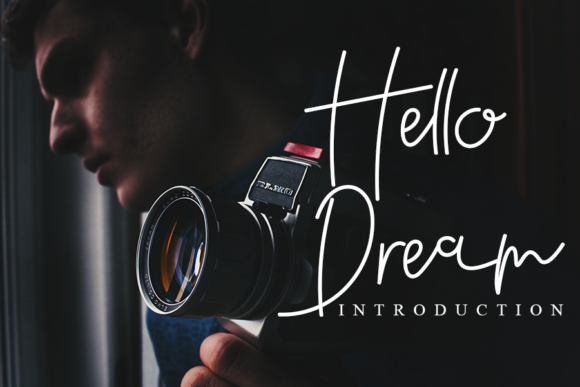
Hello Dream: A Timeless Handwritten Font for Editorial Design
In the crowded landscape of digital publishing, establishing a distinct visual voice is just as critical as crafting compelling copy. For bloggers, magazine editors, and independent creators, typography serves as the first point of contact with the reader. It sets the tone, establishes trust, and guides the eye through complex layouts. This is where Hello Dream emerges as a vital asset for modern editorial design. As a timeless and relaxed handwritten font from Script Amp, it offers a unique blend of approachability and elegance that can transform standard layouts into engaging visual experiences.
The Visual Personality of Hello Dream
Unlike rigid geometric typefaces or overly formal scripts, Hello Dream possesses an organic flow that mimics natural handwriting. Its strokes are fluid yet controlled, creating a sense of intimacy that resonates deeply with readers. This characteristic makes it an ideal choice for content creators who wish to humanize their brand identity. Whether you are designing a lifestyle blog header or a personal newsletter, the font’s relaxed nature invites the audience in, suggesting a conversation rather than a lecture.
The versatility of this typeface lies in its ability to balance professionalism with warmth. It avoids the pitfalls of illegibility often associated with casual scripts, maintaining enough structure to remain clear at various sizes. For editorial designers, this means Hello Dream can be deployed confidently across different mediums, from high-resolution print magazines to responsive web designs, without losing its core aesthetic appeal.
Enhancing Visual Hierarchy in Publications
Effective editorial design relies heavily on visual hierarchy. Readers scan content before they commit to reading it, and typography plays a pivotal role in guiding this process. Hello Dream excels as a display font for titles, subtitles, and pull quotes. By using this script font for headings, you create immediate contrast against standard body copy, drawing attention to key sections of your article or guide.
Consider the layout of a digital magazine or an ebook. Using Hello Dream for chapter openers or section breaks adds a rhythmic pause to the reading experience. It signals a transition, allowing the reader to mentally prepare for new information. In quote graphics, which are essential for social media sharing and reader engagement, the font’s expressive style turns simple text into shareable art. This not only enhances the aesthetic value of your content but also encourages distribution across platforms like Instagram and Pinterest.
Practical Applications for Content Creators
The utility of Hello Dream extends far beyond simple headers. For those creating printable materials, such as planners, worksheets, or lead magnets, this font adds a personalized touch that generic sans serif fonts cannot match. A coaching workbook, for instance, benefits from the encouraging tone of handwritten typography, making the material feel more like a mentor’s note than a sterile textbook.
- Wedding and Event Guides: Create elegant invitations and itineraries that reflect the romantic and relaxed atmosphere of the event.
- Recipe Ebooks: Use Hello Dream for dish titles to evoke a sense of home-cooked warmth and tradition.
- Newsletter Branding: Differentiate your email headers to increase open rates and brand recognition among subscribers.
- Social Media Graphics: Design eye-catching overlays for videos and images that stand out in fast-moving feeds.
Strategic Font Pairing for Readability
While Hello Dream is visually striking, it is not designed for long-form body text. To maintain readability and ensure a professional finish, it must be paired with complementary typefaces. The key to successful font pairing is contrast. Since Hello Dream is a fluid, organic script, it pairs exceptionally well with clean, structured fonts.
For a classic editorial look, consider pairing Hello Dream with a readable serif font for body copy. Serifs provide stability and tradition, grounding the whimsical nature of the script. This combination works beautifully in printed magazines and ebooks, where long reading sessions require reduced eye strain. Alternatively, for a modern, minimalist aesthetic, pair it with a neutral sans serif font. This approach is particularly effective for web design and mobile layouts, where clarity on small screens is paramount. The sans serif provides a clean canvas that allows Hello Dream to shine as an accent without competing for attention.
Technical Considerations for Digital and Print
When integrating any premium font into your workflow, technical performance is crucial. Hello Dream is designed with modern typography standards in mind, ensuring it renders cleanly across various devices. For web designers, this means faster load times and consistent appearance across browsers. For print designers, the font’s vector-based integrity ensures crisp edges in PDF exports and high-resolution prints, whether for business cards, packaging design, or large-format posters.
It is also important to check for included styles, alternates, and ligatures. These features allow for greater customization, enabling designers to avoid repetitive letterforms and create a more natural handwritten effect. Multilingual support is another factor to consider if your publication targets a global audience, ensuring that your brand identity remains consistent across different languages.
Licensing and Commercial Use
For professional creators, understanding licensing terms is non-negotiable. Hello Dream is available as a commercial font, meaning it can be used in client projects, paid newsletters, digital downloads, and products for sale. However, always verify the specific license details provided by Script Amp. Whether you are creating a template for sale on a marketplace or designing branding for a corporate client, ensuring proper licensing protects your work and respects the intellectual property of the type designer.
Incorporating Hello Dream into your design assets library offers more than just aesthetic improvement; it provides a tool for deeper reader connection. By thoughtfully applying this handwritten font in your editorial design, you elevate your content from mere information to an immersive experience. From the cover of an ebook to the heading of a blog post, Hello Dream helps build a cohesive and memorable brand identity that readers will love.